When you’re scrolling through a cluttered marketplace of gift baskets, you’ll notice that a few vendors proudly display a little banner: “Return Policy Available.” It’s a small detail, but it can be a game‑changer for both buyer and seller. In this article we’ll explore why some hampers come with a return policy and how to use it. We’ll break down the business logic, the practical steps, and the pitfalls to avoid—so you can shop with confidence and maybe even save a few bucks.
The Business Behind the Return Policy
A Question of Trust
Why do certain hampers carry a return policy? The answer lies in trust. When a seller offers a return window, they’re signaling confidence in their product and a willingness to stand behind it. It’s the same principle that makes you feel Beer hampers comfortable buying a high‑end appliance online—if it doesn’t work, you can return it.
Brand Reputation and Competition
In a crowded market, a return policy can be a differentiator. Think of it as a secret sauce that turns a good hamper into a great one. If you’re comparing two identical baskets, the one that says “30‑day returns” often feels more reputable. Sellers also use it to reduce the perceived risk of buying premium items that might not meet every customer’s taste.
Legal and Regulatory Compliance
Some regions mandate return policies for certain categories of goods. For instance, in the European Union, consumer protection laws require a 14‑day cooling‑off period for online purchases. So, a return policy isn’t always optional—it can be a legal necessity.
When to Expect a Return Window
Typical Timeframes
Most hamper sellers offer a return window ranging from 14 to 30 days. The exact duration can depend on:
- The type of hamper (food, luxury, seasonal) Shipping costs Seller policy
Seasonal Variations
During holiday seasons, many sellers extend the return period to accommodate last‑minute gifts. It’s wise to double‑check the policy before you finalize a purchase—especially if you’re ordering a hamper that will arrive on Christmas Eve.
Hidden Conditions
Even with a return policy, there may be conditions:
- The hamper must be unopened The original packaging must be intact Proof of purchase is required
Read the fine print. It’s like checking the ingredients list before you start cooking.
How to Navigate the Return Process
Step 1: Verify the Policy
- Locate the policy on the product page or in the confirmation email. Note the deadline and any specific instructions.
Step 2: Keep the Receipt
- Print or screenshot the order confirmation. This serves as proof of purchase and often speeds up the refund process.
Step 3: Contact the Seller
- Most sellers prefer email or a contact form. If you’re dealing with a marketplace (e.g., Etsy, Amazon), use the platform’s return portal.
Step 4: Pack the Hamper Carefully
- Use the original box if possible. Include all accessories, labels, and packaging materials.
Step 5: Ship It Back
- Choose a trackable shipping method. Some sellers provide prepaid labels; others expect you to cover the cost.
Step 6: Await Confirmation
- Once the seller receives the hamper, they’ll verify its condition. If everything checks out, you’ll receive a refund or replacement.
Common Pitfalls and How to Avoid Them
Not Reading the Fine Print
A tiny line can make the difference between a smooth return and a headache. For example, “Returns accepted only if the hamper is unopened” can trip up a buyer who opens it to check the contents.
Missing the Deadline
Time is of the essence. If you wait until the last day to initiate a return, you risk missing the window. Set a reminder in your calendar—think of it as setting a timer for a soufflé.
Shipping Costs
Sometimes sellers charge for return shipping. If the hamper’s value is low, the cost of https://www.slideserve.com/clovesmppk/what-are-the-best-local-australian-brands-for-gift-hampers-for-him return may outweigh the benefit. Ask upfront whether the return shipping is covered.
Damage During Shipping
If the hamper gets damaged while you’re shipping it back, you’ll need a photo evidence to prove it was in good condition upon receipt. A simple photo of the box before it leaves your doorstep can save you from a dispute.
Choosing the Right Hamper for Your Needs
Match the Occasion
- Corporate gifts: Look for sleek, minimalist designs. Personal celebrations: Opt for themed hampers that match the recipient’s interests.
Check the Contents
If the hamper is food‑based, verify the expiration dates. For non‑food items, check for quality and authenticity.
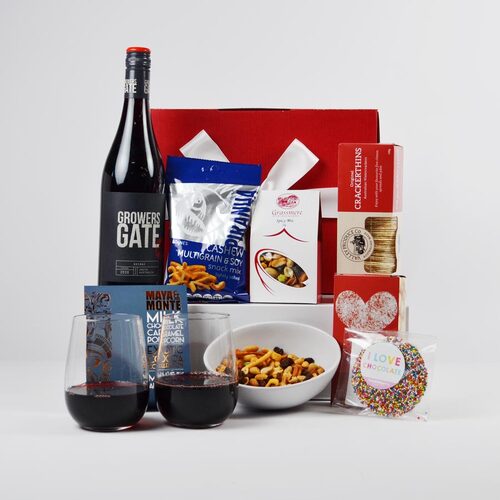
Budget Considerations
Return policies can add value to a higher‑priced hamper by reducing the risk. If you’re on a tight budget, a smaller hamper with a return policy might be a better investment than a larger one without one.
Ask for Recommendations
Many sellers offer a “best‑seller” or “recommended” label. These often come with return policies because the seller wants to ensure customer satisfaction.
Wrap It Up with Confidence
You’ve now seen why some hampers come with a return policy and how to use it. Remember the key points: trust is built on transparency, timing matters, and preparation is your best ally. Before you click that “Buy” button, double‑check the return policy, keep your receipt handy, and be ready to act if the hamper doesn’t meet expectations.
> “The best way to predict the future is to create it.” – Peter Drucker
With this knowledge in hand, you can turn the simple act of buying a hamper into a strategic decision. Whether you’re gifting a colleague, celebrating a milestone, or treating yourself, the right return policy is the safety net that lets you enjoy the moment without lingering doubts. Happy shopping!